Sagging Service Line in Cardiff Heights
Sagging, low, or damaged service line at your Cardiff Heights property? A low overhead line can be live and dangerous. Electrician Cardiff Heights is Level 2 ASP accredited and responds fast.
USPs
- Same-Day & Emergency: Urgent Level 2 response across Cardiff Heights, 24/7 for genuine emergencies.
- Level 2 ASP Accredited: Licensed to repair the overhead service line most electricians cannot touch.
- 300+ Five-Star Reviews: Hundreds of verified five-star reviews from local customers.
- $0 Call-Out & Free Quotes: No call-out fee, plus a free, upfront quote before any work.
What a Sagging Service Line Actually Means
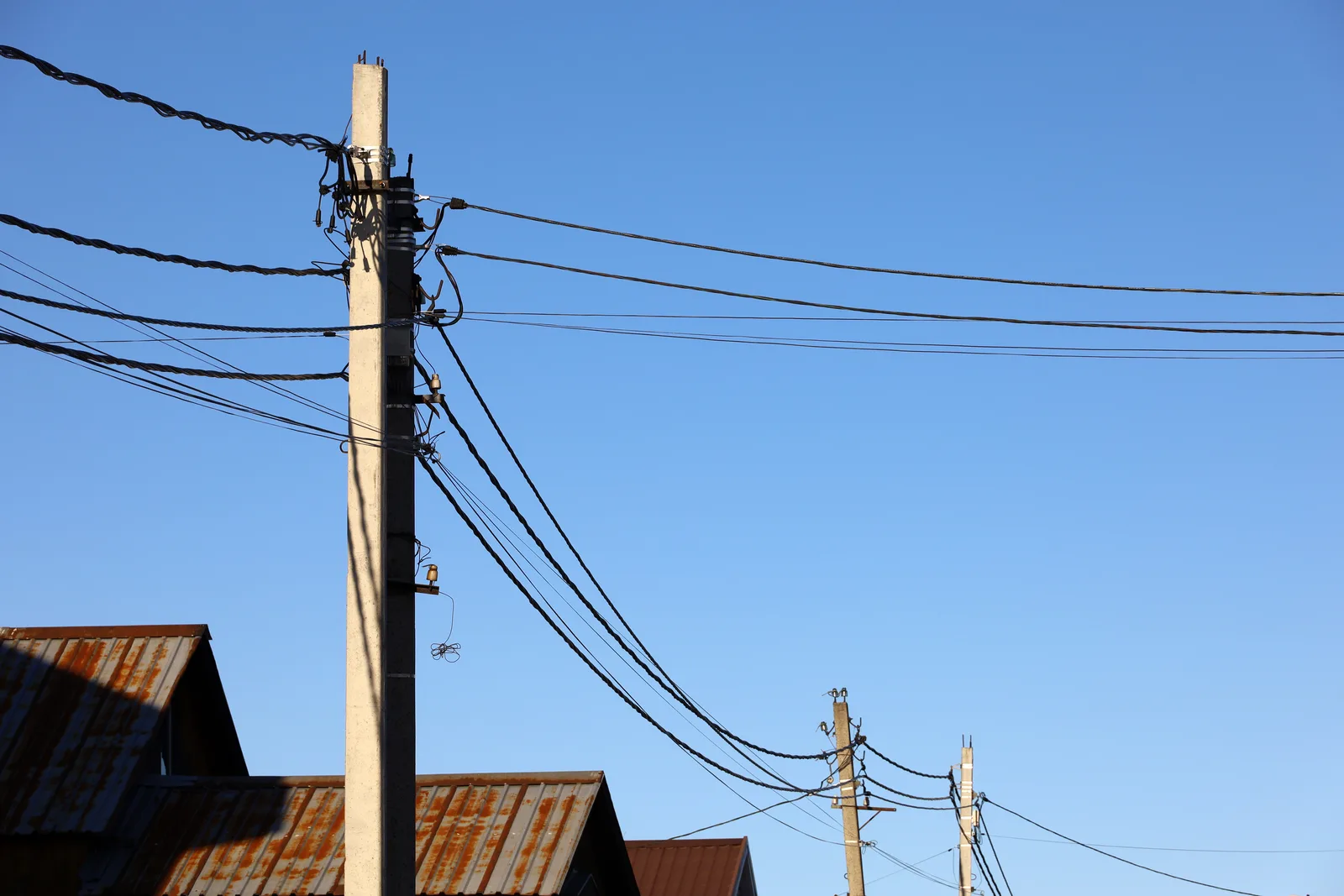
The service line is the overhead cable carrying power from the street or pole to your house. It is Level 2 work, the wiring between the network and your meter that only a Level 2 ASP is licensed to touch under AS/NZS 3000, and a sagging line can still be live.
Common Causes of a Sagging or Damaged Service Line in Cardiff Heights
Age and weather stretching the cable
Original overhead lines on Cardiff Heights' 1950s to 1970s homes have had decades to stretch and weaken, especially on the suburb's more wind-exposed ridge streets.
Storm damage
Wind and heavy rain common to the Hunter region can pull, stretch, or snap an ageing overhead connection, especially on exposed blocks near the Currawong Road bushland fringe.
A fallen or overhanging branch
Mature trees on long-established Cardiff Heights blocks can drop limbs onto the service line, pulling it down or damaging the insulation.
A failed point of attachment
The bracket fixing the line to the house has corroded or worked loose over time, letting the whole line sag lower than it should.
Vehicle or equipment strike
A truck, trailer, or high equipment near the street can catch and pull an overhead line loose from its original height.
Is a Sagging Service Line Dangerous?
Yes, a sagging or damaged overhead service line should always be treated as live and dangerous, even if it looks slack or disconnected.
- Never touch a low or fallen line, or anything it is resting on, including fences or trees
- Keep children, pets, and vehicles well clear of the affected area until it is made safe
- A line hanging near a driveway, path, or garden is still an active electrical hazard
What To Do Right Now
These are safe, simple steps while you wait for a Level 2 ASP, nothing more:
- Keep everyone well back from the line and anything it is touching.
- Do not attempt to move, lift, or cut the line yourself under any circumstance.
- If it is blocking a driveway or path, park vehicles elsewhere rather than driving near it.
- Warn neighbours or passers-by if the line hangs over a footpath or shared area.
- Call a licensed Level 2 ASP (Lic #451348C) immediately.
When To Call a Level 2 Electrician for a Sagging Line in Cardiff Heights
- The line is visibly lower than it used to be, or touching a fence, tree, or roofline
- It came loose or dropped after a storm, wind event, or fallen branch
- The point of attachment bracket looks broken or is hanging off the house
- You are unsure whether the line is live, treat it as though it is
A sagging or damaged service line at your Cardiff Heights property is urgent Level 2 work. We respond same-day with $0 call-out and free quotes for service mains repair and re-tensioning.
How it works
How We Fix a Sagging Service Line in Cardiff Heights
Safety Assessment
We assess the line from a safe distance first, treating it as live until it is confirmed isolated by the network or our own testing.
Upfront Quote
Once assessed, you receive a fixed, transparent price for the repair before any work goes ahead.
The Repair or Re-Tensioning
As Level 2 ASPs, we repair, replace, or re-tension the service line and its point of attachment properly.
Testing & Safety Check
We test the completed connection against AS/NZS 3000 before we leave, confirming the line is safe and secure.
Why This Is Common in Cardiff Heights Homes
Cardiff Heights sits on an exposed ridge around 102 metres up, catching more wind than sheltered valley suburbs, which adds extra stress to ageing overhead service lines from the 1950s to 1970s. Streets like Highfield Terrace and Reservoir Road, higher on the ridge, tend to feel this wind exposure most.
Sagging Lines and Related Electrical Faults Across Cardiff Heights
A sagging service line is often linked to storm-damaged mains or a failing private pole. We fix all three across Cardiff Heights, Cardiff, Glendale, and the wider Lake Macquarie area, always working to AS/NZS 3000.
Sagging or Damaged Service Line in Cardiff Heights? Call Now
Call (02) 4072 9996 for urgent Level 2 response, $0 call-out and a free quote, backed by 300+ five-star reviews. If it sparks, shorts, flickers or fails, we can fix it.
Common questions
Sagging Service Line FAQs
These are the questions Cardiff Heights homeowners ask us most about a low or damaged overhead line.
Is a sagging service line dangerous?
Yes, a low or damaged overhead service line can still be live, and a sagging line is one of the electrical faults you should treat as urgent and keep well clear of.
What causes a service line to sag or come loose?
Age and weather stretch the cable over time, and storms, falling branches, or a vehicle strike can pull the point of attachment loose or snap a support.
What should I do if my service line is sagging?
Keep everyone, including children and pets, well away from the line, do not touch it or anything it is resting on, and call a licensed Level 2 ASP straight away.
Do I need a Level 2 electrician for a sagging service line?
Yes, the overhead service line between the street or pole and your meter is Level 2 work, which only a Level 2 ASP is licensed to repair or re-tension.
How much does it cost to fix a sagging service line?
We assess the line and give a fixed, upfront quote before repairs begin, with a $0 call-out fee and a free quote, never a guessed figure.
Are sagging service lines common in older Cardiff Heights homes?
Yes, Cardiff Heights' original 1950s to 1970s overhead connections are ageing, and the suburb's exposed ridge position adds extra wind stress to overhead lines.